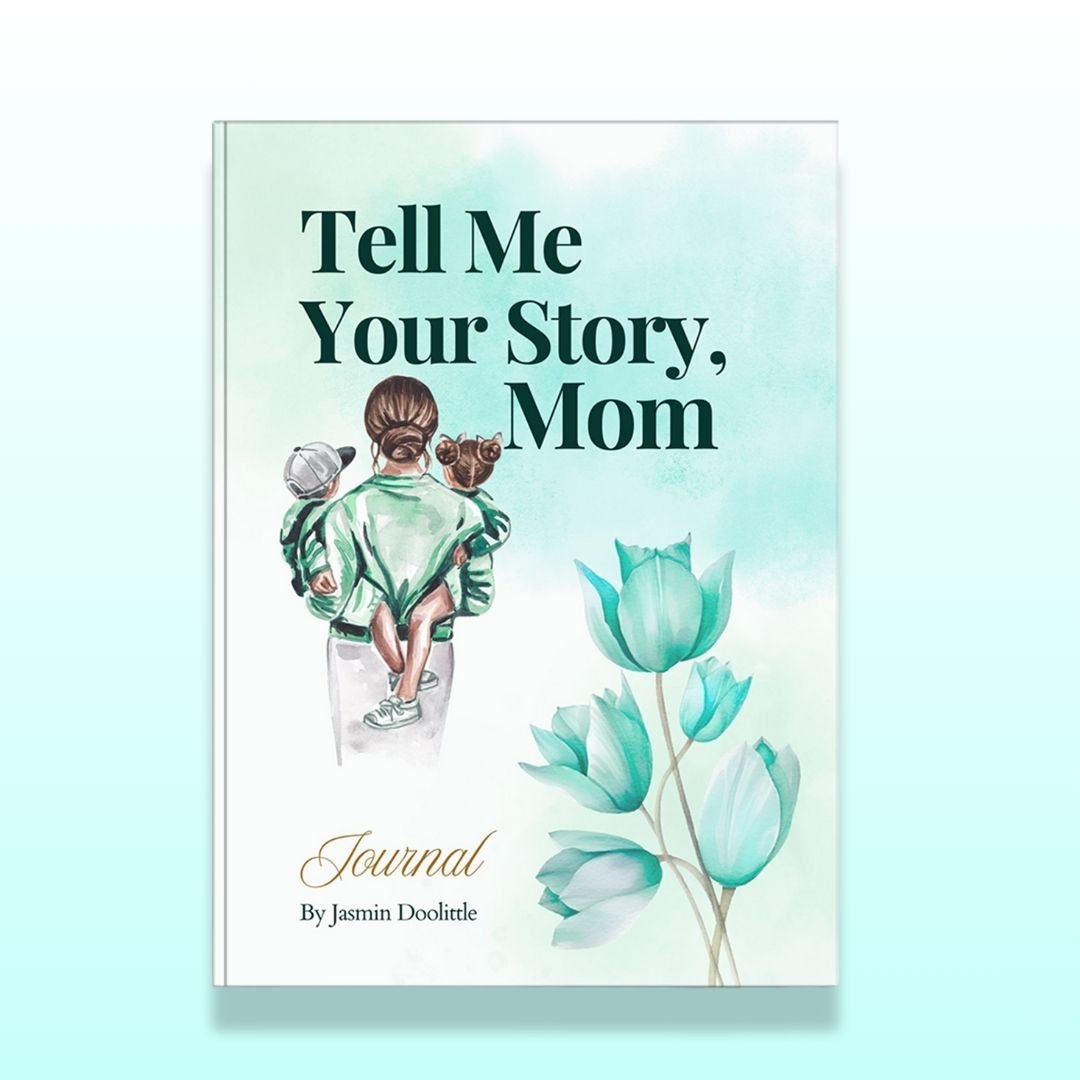

Many people think their life story is “just ordinary.” They assume their memories aren’t important enough to record. But the truth is, every life holds experiences, lessons, and memories that become more valuable with time.
A life story book isn’t just a collection of memories—it’s a legacy that grows more meaningful with every passing year. What may seem like simple moments today can become treasured family history for future generations.
1. Memories Fade, But Stories Last Forever
Human memory is fragile. Over time, details fade, moments blur, and stories get lost.
A life story book preserves:
Important life moments
Personal achievements
Family traditions
Historical experiences
What once lived only in your memory becomes a permanent record that can be read again and again.
Without written stories, many meaningful memories disappear. But when recorded, they can live on for decades—or even centuries
2. It Becomes a Family Treasure
As time passes, a life story book transforms into something much bigger than a personal project—it becomes a family heirloom.
Future generations will read it to learn:
Where their family came from
What challenges their ancestors overcame
How traditions began
What shaped their family’s identity
Grandchildren and great-grandchildren often cherish these books because they provide a direct connection to the past.
In many families, a life story book becomes one of the most meaningful items passed down through generations.
3. Your Life Experiences Become Lessons for Others
Over the years, people accumulate wisdom through:
Successes
Failures
Hard decisions
Unexpected opportunities
When these experiences are written down, they become life lessons for others.
A life story book allows you to share:
Advice you wish you had earlier in life
Lessons learned from mistakes
Guidance for future generations
What you’ve learned through decades of experience may become valuable guidance for your children and grandchildren
4. It Captures the World as It Once Was
Your life story is also a piece of history.
You have lived through:
Cultural changes
Technological advancements
Social shifts
Historical events
When you record these experiences, you provide a personal perspective on history that future generations will never experience firsthand.
For example:
What life was like growing up in your era
How your community has changed
How major events impacted your life
These details become incredibly fascinating to future readers.
5. It Strengthens Family Connections
A life story book helps families understand each other better.
Many people don’t fully learn about their parents’ or grandparents’ lives until much later—sometimes too late.
Writing a life story book allows you to share:
Personal struggles
Dreams you once had
Important life decisions
Stories never told before
When families read these stories, they often gain a deeper appreciation and understanding of one another.
6. It Becomes More Valuable With Each Passing Year
Unlike many possessions that lose value over time, a life story book becomes more meaningful as the years pass.
Why?
Because:
Memories become rarer
Family history becomes more important
Personal stories gain emotional significance
What may feel like “just memories” today can become one of the most treasured items in your family decades later.
Conclusion
A life story book is far more than a simple collection of memories. It is:
A record of your experiences
A guide for future generations
A piece of family history
A legacy that lasts beyond your lifetime
As time passes, its value only grows.
What begins as a personal project can eventually become one of the most meaningful gifts you leave behind.
Because in the end, the stories we share are what truly keep our lives alive.