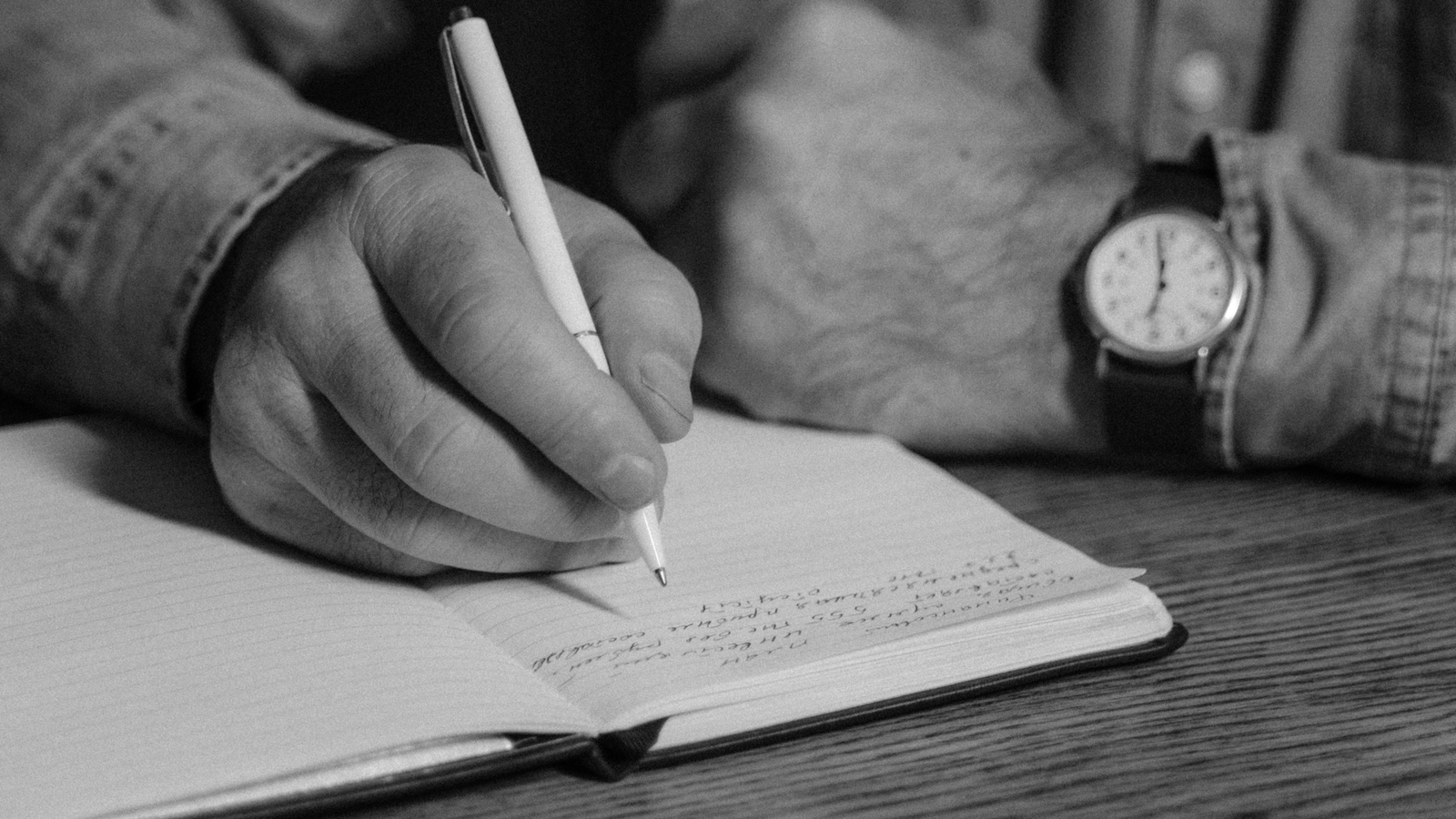
David stared at the blank page for almost an hour.
He had finally decided to write his life story.
He had the time.
He had the memories.
He even had the desire.
What he didn’t have… was a place to start.
Every time he tried, his mind jumped from childhood to college to marriage to career to regrets to proud moments. It felt messy. Overwhelming. Impossible to organize.
So he closed the laptop.
“Maybe I’m not a writer,” he thought.
But the truth was simpler:
He didn’t need to be a writer.
He just needed a starting point.
The Myth of the Perfect Beginning
Most people think writing their life story means starting at birth and moving forward chronologically.
Born in 1962.
Grew up in a small town.
Went to school.
But that approach often feels heavy and uninspiring.
Your life story doesn’t have to begin at the beginning.
It just has to begin somewhere.
Start With a Moment — Not a Timeline
The next day, David tried something different.
Instead of asking, “How do I write my entire life?” he asked:
“What’s one moment I’ll never forget?”
Immediately, one memory surfaced.
The day he almost quit his first job.
He began writing about the fear, the embarrassment, the conversation with his mentor that changed everything.
Three pages later, he realized something surprising:
The story was flowing.
Not because he had structured his entire life.
But because he focused on one meaningful moment.
Your Life Is Built From Defining Moments
If you don’t know where to start writing your life story, begin with:
A moment that changed you
A decision that shaped your future
A challenge you overcame
A risk you almost didn’t take
The day you became a parent
The hardest year of your life
Write that story fully.
Don’t worry about order. Don’t worry about grammar. Just capture the memory while it’s vivid.
Structure can come later.
Ask Yourself the Right Questions
Sometimes the hardest part isn’t writing.
It’s unlocking the memory.
Try prompts like:
What is one childhood memory that still feels clear today?
Who influenced you the most when you were young?
What mistake taught you your greatest lesson?
What are you most proud of — and why?
What do you want your family to understand about your journey?
Answer one question at a time.
Not a book. Not a chapter.
Just one answer.
Forget Perfection — Capture Truth
David’s early drafts were messy.
Sentences trailed off. Details were missing. Some stories overlapped.
But something important was happening:
He was remembering.
And once the memories were on paper, they no longer felt overwhelming.
They felt real.
Your first draft isn’t meant to impress anyone. It’s meant to exist.
You can refine it later.
You can organize it later.
You can even get professional help shaping it later.
But you can’t edit a blank page.
You Don’t Have to Write It Chronologically
Many powerful life stories are structured around themes instead of timelines.
For example:
Lessons I Learned the Hard Way
The People Who Changed My Life
Risks That Paid Off
Moments That Broke Me — and Built Me
What I Hope My Children Remember
This approach feels more natural because it mirrors how memory works.
We don’t remember life in perfect order.
We remember it in emotion.
When Writing Feels Too Heavy
Sometimes the block isn’t about structure.
It’s about vulnerability.
Writing your life story means revisiting:
Pain
Regret
Loss
Mistakes
If that feels overwhelming, start with the lighter stories.
Start with humor.
Start with pride.
Start with gratitude.
You don’t have to write the hardest chapter first.
The Power of Simply Beginning
A week after staring at a blank screen, David had written 18 pages.
Not because he mastered structure.
Not because he suddenly became a professional writer.
But because he stopped trying to write everything at once.
He started with one story.
Then another.
Then another.
And slowly, his life began taking shape on the page.
If You Still Feel Stuck
Some people realize they don’t actually want to write their life story alone.
They want to tell it.
They want someone to ask the right questions.
They want their memories shaped into something polished and lasting.
And that’s okay.
Whether you write it yourself, use guided prompts, or work with a professional storyteller, what matters most is this:
Your story deserves to exist.
Start Here — Right Now
Close your eyes for a moment.
What memory comes to mind first?
Not the most impressive.
Not the most dramatic.
Just the first one that feels alive.
Open a notebook.
Write the title of that memory at the top of the page.
And begin.
Because the hardest part of writing your life story isn’t talent.
It’s starting.
And now, you have.