Why Your Story Matters

Emotional and legacy-focused articles that explore the deeper meaning of preserving your life story. These posts reframe memoir writing as more than a project — it’s a responsibility, a gift, and a lasting legacy.

Why Your Story Matters

The Stories Behind Your Photographs Deserve to Be Written Down

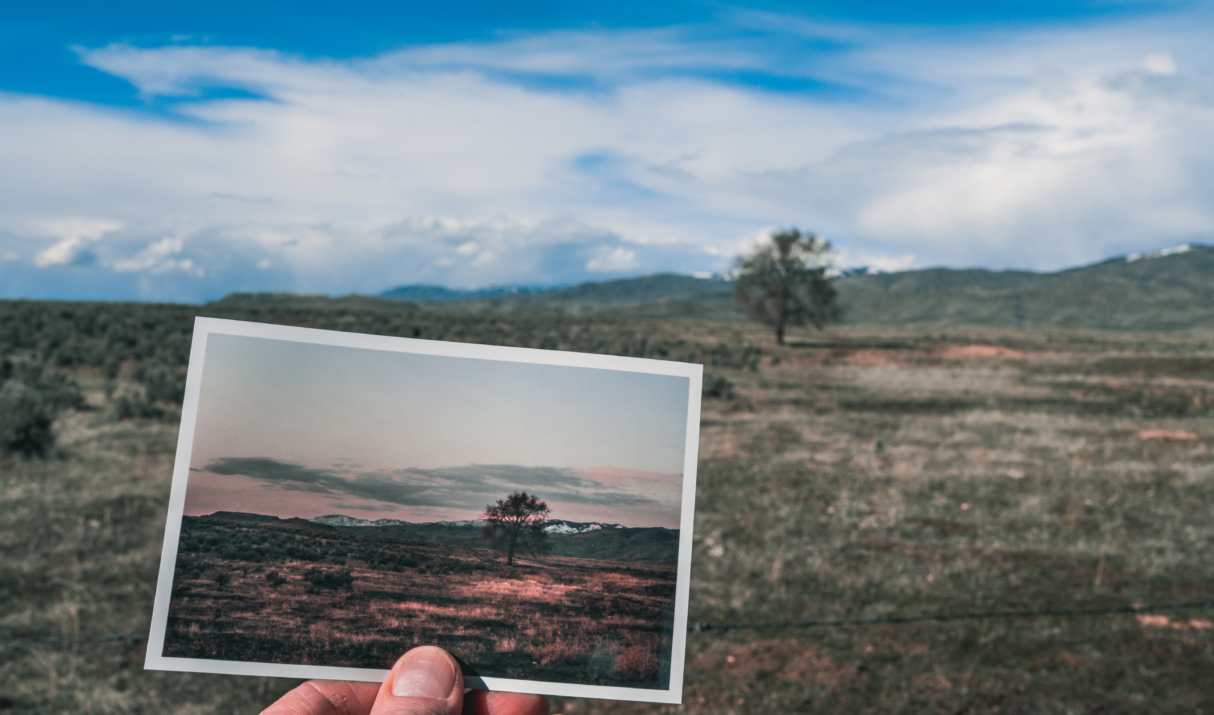
The Stories Behind Your Photographs Deserve to Be Written Down Every photograph tells a story. A single image can capture a moment in time—a celebration, a family gathering, a childhood memory, or a quiet day that later became meaningful. Photographs allow us to look back at our lives and remember the people, places, and moments that shaped us. But while photographs capture what happened, they rarely explain the full story behind the moment. Without words, many of the details that give a photograph meaning can slowly disappear over time. A Photo Shows the Moment — But Not the Story When someone looks at an old photograph years later, they may recognize the faces or the setting. But they might not know the story behind it. They might wonder: What was happening that day? Why was that moment so special? What was everyone feeling at the time? What happened before or after the photo was taken? For the person who lived that moment, the answers may feel obvious. But for future generations, those details can easily be lost. That’s why writing the stories behind your photographs is so important. The Memories Hidden Inside Old Photos Family photo albums often hold decades of memories. A simple photograph can bring back powerful emotions and forgotten moments. You might find photos of: Childhood birthdays and family celebrations Weddings and milestone events Vacations and travel adventures Quiet everyday moments with loved ones Each photo represents more than just an image—it holds a piece of personal history. By writing the story behind the photograph, you give future readers the context that brings that memory fully to life. Turning Photos Into Meaningful Family History Photographs become even more valuable when they are paired with stories. A written memory can explain the people, the emotions, and the circumstances that surrounded the moment. For example, a photo might show a group of people smiling at a family gathering. But the written story might reveal: How the family prepared for the celebration What traditions were shared that day The relationships between the people in the photo Why that moment became unforgettable These details transform a simple photograph into a meaningful piece of family history. A Gift for Future Generations Years from now, your children or grandchildren may open an old photo album. They may see faces they recognize and others they have never met. If the stories behind those photographs are written down, those images become far more powerful. They allow future generations to understand: Who the people in the photos were What life was like during that time The experiences that shaped their family history Instead of guessing about the past, they will be able to read the stories directly from the person who lived them. Preserving More Than Just Pictures Photographs capture moments, but stories capture meaning. When you combine the two, you create something truly lasting. Writing about your photographs allows you to preserve not just images, but the emotions, lessons, and experiences that came with them. Over time, these stories can become part of a larger life story—a legacy that helps your family understand where they came from and the memories that shaped their history.   Because while photographs can remind us of the past, the stories behind them ensure those memories will never be forgotten.

Featured Story, Why Your Story Matters

What Is Your Story?

It’s a simple question. But it’s one most people struggle to answer. What is your story? Not your job title.Not your resume.Not the short version you tell at social gatherings. Your real story. The one that shaped you. The one that changed you.   The one that still lives quietly inside your memories. You Have a Story — Even If You Think You Don’t Many people dismiss their lives as “ordinary.” “I just worked.”“I raised my kids.”“I did what I had to do.” But inside those simple statements are powerful experiences: Sacrifices no one saw Decisions that carried risk Moments of doubt Moments of courage Lessons learned the hard way Your story isn’t about fame. It’s about meaning. And meaning lives in everyday life. Your Story Is More Than Events Your story isn’t just what happened. It’s: What you believed What you feared What you overcame What changed your perspective What you wish you understood sooner Two people can live through the same decade — and experience it completely differently. Your interpretation is what makes it yours. That’s the part no one else can tell. The Chapters You May Overlook When you think about your life story, start with chapters like: Childhood memories that shaped your values The first time you felt independent A mistake that taught you humility A relationship that transformed you A season that tested your strength A moment that restored your hope These are not small details. They are the building blocks of identity. Why This Question Matters One day, someone you love may ask: “What was your life really like?” And what they’re really asking is: What shaped our family? Where do we come from? What values run through us? What lessons should we carry forward? If your story isn’t written, parts of it may disappear. Memories fade. Details blur. But written words remain steady. Your Story Connects Generations When you document your story, you give future generations something powerful: Context. They begin to understand: Why certain traditions exist Why resilience runs deep in the family Why certain beliefs matter so much Your story becomes a bridge between past and future. It gives identity roots. And roots create strength. You Don’t Need to Be a Writer If you’re thinking, “But I’m not a writer,” remember this: You don’t need perfect grammar. You don’t need poetic language. You just need honesty. Write the way you speak. Answer simple questions. Start with one memory at a time. Your voice — natural and unpolished — is what makes your story real. What Happens When You Reflect When you begin asking yourself, “What is my story?” something shifts. You start to see patterns: The courage you didn’t recognize at the time.The resilience you developed through hardship.The growth that came from uncomfortable seasons. You begin to see that your life wasn’t random. It was a journey. And journeys deserve to be remembered. So… What Is Your Story? Is it one of perseverance? Reinvention? Faith? Love? Sacrifice? Second chances? Maybe it’s all of those. The important thing isn’t finding the perfect summary. It’s beginning to explore it. Because your story matters. Not because it was perfect. Not because it was easy. But because it was lived. And no one else can tell it the way you can. The question isn’t whether you have a story. The question is: Will you write it down before it’s forgotten?

Why Your Story Matters

Time Changes Everything — Except Written Words

Time is quiet. It moves slowly at first — almost unnoticed — and then suddenly, decades have passed. Children grow up.Homes are sold.Voices grow softer.Details blur. The stories that once felt vivid become harder to recall. Was it 1968 or 1970?Was it before the move or after?What exactly was said that day everything changed? Memory, no matter how strong, is fragile. But written words are not. Memories Fade. Stories Last. Conversations are fleeting. We assume we’ll remember them forever — the way Grandpa laughed, the way Grandma told that story about her first job, the way Dad described the day he became a father. But over time, even the clearest memories soften at the edges. Written words hold their shape. They preserve: The exact phrasing The emotion behind the decision The small details that make a story come alive The personality in every sentence A life story captured in writing becomes immune to time. Written Stories Create Presence Long after someone is gone, their words remain. A grandchild can open a book decades later and read: “This is what I was thinking.”“This is what I feared.”“This is what mattered most to me.” And suddenly, that person feels close again. Not as a memory. But as a voice. Written words allow future generations to hear directly from you — not through retold versions, not through assumptions, but through your own perspective. Time Will Keep Moving It always does. There will always be another year.Another milestone.Another reason to wait. But the opportunity to document your story in your own voice is limited to now. Because once a story is lost to time, it cannot be fully recovered. When you write your life story, you do something remarkable: You create something that time cannot erase. And that may be the most powerful legacy of all.

Why Your Story Matters

The Hidden Gift of Writing Your Story

Most people believe writing their life story is about legacy. About leaving something behind. About creating a keepsake for children or grandchildren. And while that’s true… It’s not the hidden gift.   The real gift of writing your story is what happens to you while you’re writing it. London Moves Fast. Reflection Is Rare. In a city like London, life rarely slows down. Between commutes through London Bridge station, meetings in Canary Wharf, or quiet weekends near Hyde Park, years pass quickly. Milestones blur together. Successes stack on top of responsibilities. And before you know it, decades have gone by. Writing your life story forces something powerful: A pause. You Start Seeing Patterns You Never Noticed When you begin documenting your story, something surprising happens. You begin connecting dots. The risk you took in your 30s shaped the stability of your 50s. The failure that embarrassed you became the lesson that strengthened you. The move to London that felt uncertain became the turning point of your life. In everyday life, we move forward. In storytelling, we look back. And looking back brings clarity. You Remember Strength You Forgot You Had Many people underestimate themselves. You may think: “I just did what I had to do.” But when your experiences are laid out chronologically, the truth becomes visible: You were resilient.You were brave.You adapted.You survived seasons that could have broken you. Writing your story reveals the strength that routine life often hides. That realization alone can be transformative. It Brings Emotional Closure There are chapters we rarely revisit: The difficult career transition The strained relationship The unexpected loss The dream that didn’t work out When left unexamined, they remain emotionally unfinished. Writing allows you to process them with perspective. Not from the chaos of the moment — but from the wisdom of experience. Many people describe finishing their memoir as feeling lighter. Not because life was perfect. But because it was understood. You Redefine Your Own Narrative Over time, we adopt simplified versions of our story. “I’m the practical one.”“I’m the unlucky one.”“I’m the serious one.” But when you write your life story fully, those labels begin to shift. You see the humor you brought into hard seasons.The risks you took despite fear.The compassion you showed when it mattered most. You stop being a summary. You become a whole human story. The Gift to Your Family Is Deeper Than You Realise Yes, your children and grandchildren will one day cherish your book. But what they receive isn’t just memories. They receive: Context for your decisions Understanding of your values Insight into your character Permission to face their own struggles with courage In a city filled with public history — from Westminster Abbey to Tower of London — we preserve national stories carefully. Your personal history deserves that same respect. Because within your private experiences are lessons that will guide future generations.

Why Your Story Matters

Why Writing Your Life Story Is the Most Important Project You’ll Ever Finish

There are projects we start and never complete. The home renovation.The business idea.The scrapbook.The fitness plan. Life gets busy. Priorities shift. Time moves faster than we expect. But there is one project that carries more weight than all the others — one that defines not just what you built, but who you became: Writing your life story. Not for fame.Not for ego.But for legacy. One Day, Your Story Will Be Told — The Only Question Is By Whom If you don’t write your life story, it will still be told. In fragments. In half-remembered conversations.In stories that begin with, “I think this is what happened…”In details that fade with each passing generation. But when you document your life yourself, you control the narrative. You explain: Why you made certain decisions What challenges shaped you What you learned the hard way What you hope your family understands No one else can tell that story the way you can. Your Life Is More Than a Timeline Many people hesitate because they believe their story isn’t extraordinary enough. “I didn’t invent anything.”“I didn’t become famous.”“I just lived a normal life.” But “normal” is where the most powerful stories live. A father working overtime to support his family.A mother holding everything together during hard seasons.An immigrant building a new beginning from scratch.An entrepreneur risking stability for a dream. These stories are not small. They are the backbone of families. When you write your life story, you transform everyday sacrifices into permanent history. This Is About More Than Memories A personal legacy project isn’t just about preserving events. It’s about preserving wisdom. Your children and grandchildren may one day wonder: How did you handle failure? What kept you going during difficult years? What mattered most in the end? What would you do differently? Those answers are priceless. And if they aren’t written down, they can disappear. The Regret of Waiting Too Long Many people plan to write their memoir “someday.” After retirement.After things slow down.After the next big milestone. But someday has a way of slipping quietly into later. Memories soften. Details blur. Energy shifts. The most important project you’ll ever finish deserves more than postponement. Because the goal isn’t perfection. The goal is preservation. Writing Clarifies Your Own Life Something unexpected happens when you begin writing your life story. You start seeing patterns. You realize how certain risks shaped your path.You notice how resilience carried you further than talent.You understand your own growth in ways you hadn’t before. Writing becomes reflection.Reflection becomes gratitude.Gratitude becomes peace. Finishing your story isn’t just a gift to others. It’s closure for you. You Don’t Have to Be a Writer One of the biggest myths about memoir writing is that it requires professional writing skills. It doesn’t. You can: Start with simple prompts Record your memories out loud Write in short, honest chapters Organize your story around themes instead of years And if shaping it feels overwhelming, you don’t have to do it alone. What matters most is that your experiences — your lessons — are captured while they’re vivid. The Book Your Family Will Treasure Most Long after awards tarnish and digital photos disappear into outdated technology, a printed life story remains. Imagine your grandchild pulling your book from a shelf decades from now. Reading about your childhood.Your first love.Your biggest failure.Your proudest moment. Hearing your voice through the pages. That is impact that outlives you. The Power of Finishing There is something deeply meaningful about completing this project. It says: “My life mattered.”“My experiences were worth preserving.”“My family deserves to know where they come from.” Many projects are optional. This one is foundational. Because when your story is finished, your legacy becomes tangible. Start Before You Feel Ready You don’t need the perfect outline.You don’t need the perfect title.You don’t need every memory in order. Start with one chapter: The hardest year of your life The day everything changed The lesson you learned too late The moment you felt proudest One chapter becomes two. Two become a manuscript. A manuscript becomes a finished story. And a finished story becomes a legacy. The Most Important Project You’ll Ever Finish Careers end.Homes change hands.Material things fade. But a written life story becomes a permanent bridge between generations. If there is one project worth finishing — truly finishing — it is this one. Because one day, someone you love will turn those pages. And they will understand you in a way they never could before. Start writing. Your story deserves to be completed.

Scroll to Top