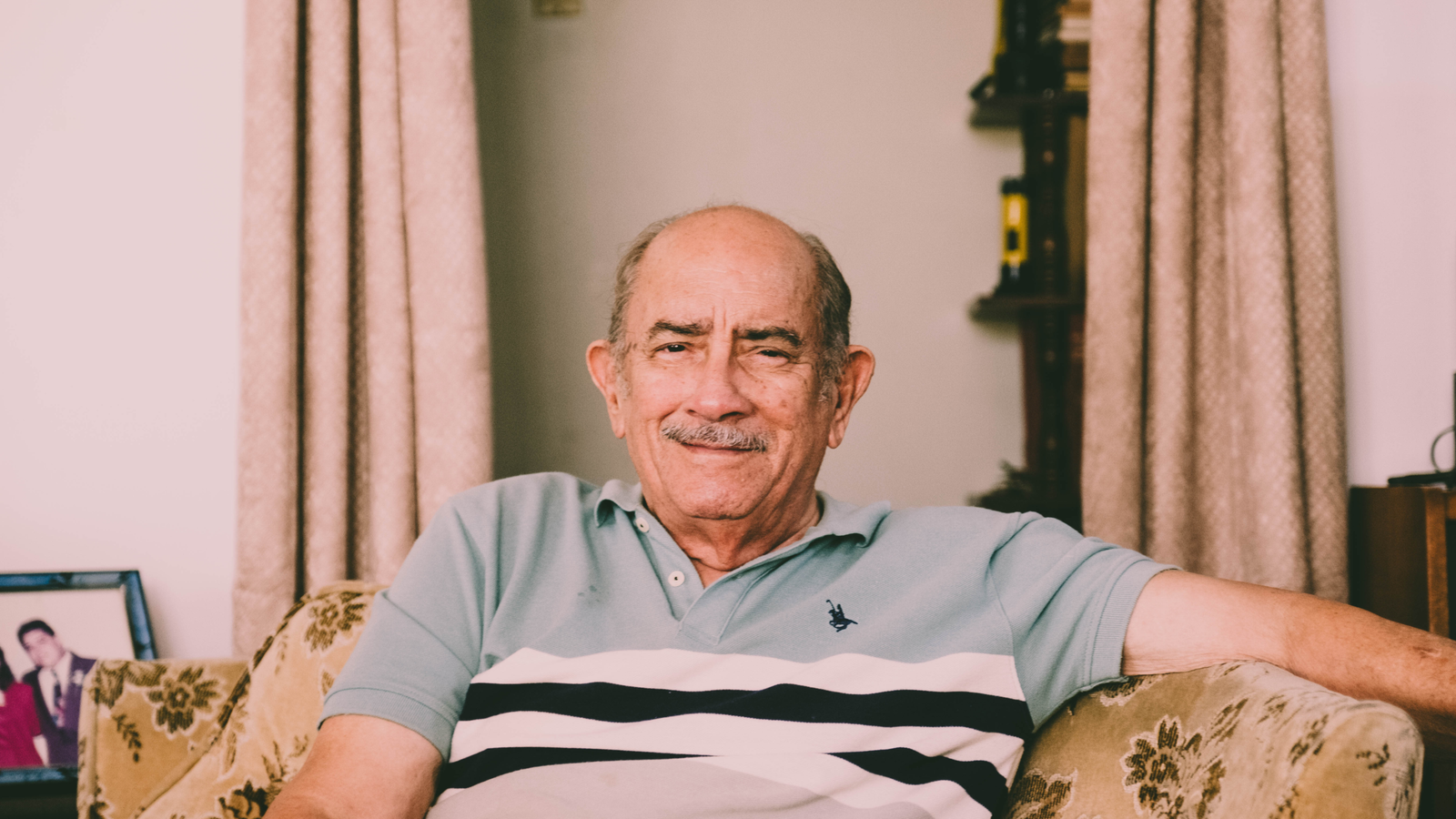

Grandfathers often carry a lifetime of experiences, wisdom, and memories that span generations. They have seen the world change, built families, overcome challenges, and gathered lessons that only time can teach. Yet many of their stories remain untold, shared only in small moments or brief conversations. One simple question can open the door to those

Every grandmother carries a lifetime of memories—stories of childhood, family traditions, challenges, and love that have shaped generations. Yet many of these stories are shared only in small moments, during quiet conversations or family gatherings. Often, families don’t realize how valuable those stories are until they begin to fade. That’s why one simple question can
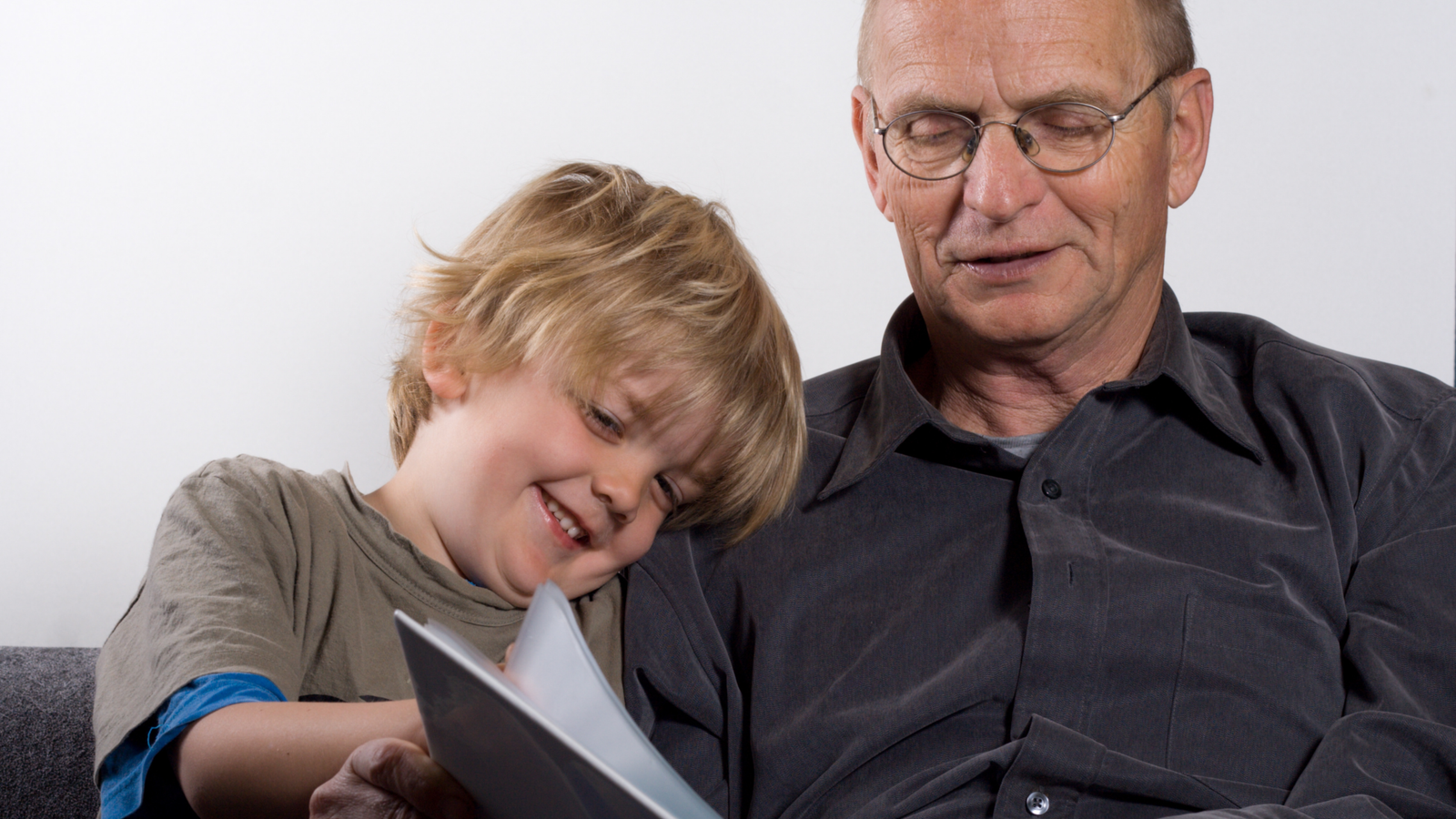
Every father carries a lifetime of stories—stories of hard work, sacrifice, dreams, and lessons learned along the way. Yet many of these stories are rarely told in full. Fathers often share advice and memories in small moments, but their entire life journey is seldom written down. One day, however, families often wish they had asked

Every family has a storyteller, and very often, that person is Mom. She remembers the birthdays, the milestones, the quiet moments that shaped the family. She carries the stories of where the family came from and how it grew over the years. But how often do we stop and ask her about her story? Behind

Human memory is powerful, but it isn’t perfect. Over time, even the most meaningful moments of our lives can become blurry. Details fade, names are forgotten, and stories slowly change as they are retold. What once felt vivid and unforgettable can gradually slip away. This is one of the reasons why writing your life story

As we grow older, our relationship with our parents often changes. The conversations we once had as children evolve into deeper discussions about life, experiences, and family history. Yet many adult children realize too late that they never asked their parents about the stories that shaped their lives. Taking the time to ask meaningful questions

Michele always thought he had more time. More time to sit with his dad at the kitchen table.More time to ask about Vietnam.More time to understand the quiet man who fixed everything but rarely talked about himself. But after the diagnosis, time suddenly felt fragile. One evening, instead of watching television like they usually did,