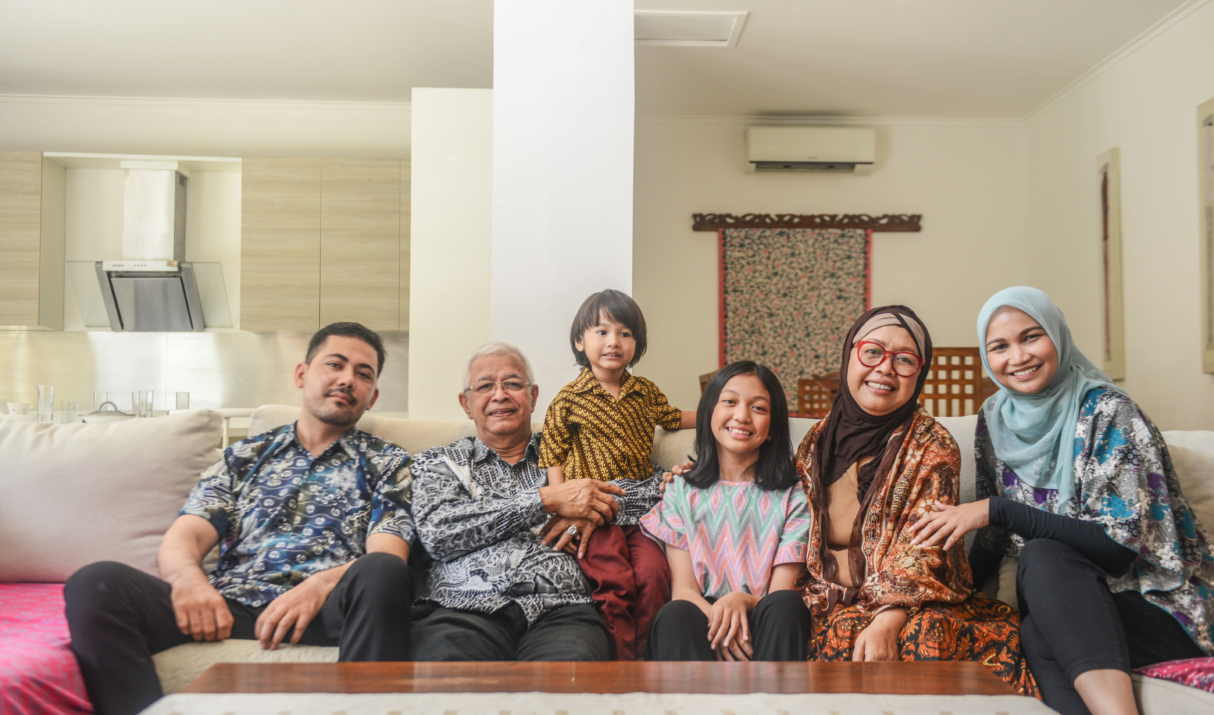
Family Legacy & Conversations

Guidance and inspiration for families who want to ask deeper questions and preserve their parents’ stories. These posts encourage meaningful conversations before it’s too late and help turn memories into lasting family history.

When War Began The Day Everything Changed
Family Legacy & Conversations, Uncategorized

When War Began: The Day Everything Changed

There are days in life that pass quietly, and then there are days that change everything. The day the war began was one of those days. It didn’t arrive with warning in the way people imagine. It came suddenly—interrupting routines, shifting priorities, and turning ordinary moments into memories of “before.” What once felt stable became uncertain. What once felt distant became real. And from that moment on, life was no longer the same. The Moment Reality Shifted When war begins, the world doesn’t stop—but it changes in ways that are impossible to ignore. Conversations become more serious. News becomes more urgent. The future feels less certain. People remember exactly where they were when they first heard. The details of that moment often stay clear—the place, the feeling, the realization that something significant had just begun. It’s a moment that divides life into two parts: before and after. Ordinary Life in Extraordinary Circumstances Even as everything changes, life continues. People still wake up in the morning. They still go to work. They still care for their families. But beneath those routines is a new layer of awareness—a quiet understanding that things are different now. Simple tasks can feel heavier. Daily responsibilities require more strength. And every decision carries a deeper meaning. What once felt ordinary now requires resilience. The Strength to Keep Going When war begins, strength is not always loud or visible. Often, it is found in the quiet determination to continue. It is in: Showing up when it would be easier to step back Staying calm when uncertainty grows Supporting others while managing your own fears Holding onto hope, even in difficult moments This kind of strength is built day by day, choice by choice. The Emotional Weight of Uncertainty War brings with it a sense of the unknown. Questions arise that don’t have immediate answers: What will happen next? How long will this last? How will life change? These uncertainties can be difficult to carry. Yet people find ways to move forward, even without knowing what lies ahead. They adapt. They endure. They continue. The Stories That Begin in These Moments While war is often remembered through history books and timelines, the most meaningful stories are the personal ones—the experiences of individuals who lived through it. These stories include: The small acts of courage The sacrifices made quietly The moments of connection during difficult times The resilience shown in everyday life These are the stories that often go untold, yet they hold the deepest meaning. Why These Stories Matter Years from now, people may look back and ask what it was like when the war began. They may want to understand not just the events, but the human experience behind them. If those stories are not shared, they can be lost. But when they are remembered and written down, they become part of something lasting—a record of strength, resilience, and the ability to endure. Holding Onto What Matters When everything changes, people often rediscover what matters most: Family Connection Strength Hope These values become clearer in times of uncertainty. And the stories that come from these moments become some of the most important stories a person can tell. When war began, the world changed. But so did the strength, resilience, and courage of those who lived through it. And those stories deserve to be remembered.

Gathering Family on Holidays in New Jersey The Moments That Become Memories
Family Legacy & Conversations

Gathering Family on Holidays in New Jersey: The Moments That Become Memories

In New Jersey, holidays have a special way of bringing families together. No matter how busy life becomes, there’s something about these moments that calls everyone back home—back to familiar places, familiar faces, and traditions that never seem to fade. From warm kitchens filled with conversation to living rooms echoing with laughter, holiday gatherings become more than just celebrations. They become the memories that families carry for a lifetime. The Meaning Behind Coming Together Throughout the year, life pulls families in different directions. Work, school, and daily responsibilities often leave little time to truly connect. But during the holidays, everything slows down. Family members travel from different towns and cities, gathering under one roof to reconnect. These moments create space for: Sharing stories from the past year Recalling childhood memories Strengthening family bonds Creating new traditions together It’s not just about the holiday—it’s about being together. Traditions That Define a Family Every New Jersey family has its own way of celebrating. Some traditions are passed down through generations, while others are created over time. These might include: Cooking favorite family recipes together Sitting around the table for long, meaningful meals Watching old home videos or flipping through photo albums Retelling stories that everyone knows—but loves to hear again These traditions give holidays a sense of continuity. They connect the past with the present, and they help define what family means. The Stories Shared Around the Table One of the most powerful parts of holiday gatherings is the storytelling. In between meals and laughter, stories naturally emerge: “Do you remember when…” “That reminds me of the time…” “When I was your age…” These stories are often spontaneous, but they carry deep meaning. They reveal family history, values, and experiences that might not be shared at any other time. Yet once the holiday ends, many of these stories are forgotten or left unrecorded. Why These Moments Matter More Than We Realize At the time, holiday gatherings can feel routine—something that happens every year. But over time, they become some of the most treasured memories a family holds. Years later, people often look back and remember: Who was there What was said How it felt to be surrounded by loved ones These moments gain emotional value as time passes. And when someone is no longer at the table, those memories become even more meaningful. Turning Holiday Moments Into Lasting Legacy While memories are powerful, they are not permanent unless they are preserved. Writing down the stories shared during holidays can transform fleeting moments into something lasting. A written life story can capture: Family traditions and where they began The personalities and voices of loved ones The stories told year after year The emotions that made those moments special Instead of living only in memory, these moments become something future generations can experience and understand. Holding Onto What Matters Most Holiday gatherings remind us of what truly matters—connection, family, and shared history. In a fast-moving world, these moments offer a chance to pause and reflect on the people and experiences that shape our lives. Because one day, these gatherings will no longer happen in the same way. The people, the conversations, and the traditions will change. But when those moments are written down, they are never truly lost.

Tell Me Your Story, Grandpa
Family Legacy & Conversations, For Grandparents

Tell Me Your Story, Grandpa

Grandfathers often carry a lifetime of experiences, wisdom, and memories that span generations. They have seen the world change, built families, overcome challenges, and gathered lessons that only time can teach. Yet many of their stories remain untold, shared only in small moments or brief conversations. One simple question can open the door to those memories: “Grandpa, tell me your story.”   Behind that question lies a life filled with moments worth remembering. The Boy He Once Was Before he became a grandfather, he was a young boy with dreams, adventures, and lessons that shaped his future. His early years may hold stories about: The town or neighborhood where he grew up The games he played and the friends he had The challenges his family faced The values his parents taught him These early experiences often shaped the character and strength that later defined his life. Building a Life and a Family As the years passed, your grandfather likely experienced milestones that shaped both his life and the lives of those around him. His story might include: The first job that taught him responsibility The moment he met the person who would become his partner The challenges of building a career or supporting a family The pride he felt watching his children grow These moments are more than personal memories—they are chapters of family history. Lessons Earned Through Experience A lifetime brings wisdom that cannot be learned from books alone. Through success and struggle, your grandfather has gathered lessons that can guide future generations. By sharing his life story, he can pass along insights such as: The values he believes matter most The mistakes that helped him grow stronger The choices that shaped his life path The advice he hopes his family will remember These reflections can become a powerful source of guidance for children and grandchildren. Why His Story Matters Many families wish they had recorded the stories of their grandparents while they still had the chance. Over time, memories fade, and once someone is gone, their stories may be lost forever. Writing a grandfather’s life story preserves more than just memories. It preserves his voice, his perspective, and the experiences that shaped the family. Future generations will not just know his name—they will understand the life he lived. A Legacy That Lives On Imagine a grandchild years from now opening a book and reading the story of their grandfather’s life in his own words. They will discover moments they never heard before and gain a deeper understanding of their family’s journey. A written life story allows those memories to live on long after the years have passed. And it often begins with a simple invitation: “Grandpa, tell me your story.” Because the stories he shares today may become one of the most meaningful legacies your family will ever receive.

Family Legacy & Conversations

Memories Fade, But Written Stories Last

Human memory is powerful, but it isn’t perfect. Over time, even the most meaningful moments of our lives can become blurry. Details fade, names are forgotten, and stories slowly change as they are retold. What once felt vivid and unforgettable can gradually slip away. This is one of the reasons why writing your life story is so valuable. When memories are written down, they are no longer dependent on memory alone. They become permanent. Your experiences, thoughts, and emotions are captured exactly as you remember them, preserving them for years to come Why Memories Naturally Fade Life moves quickly. As we experience new events, our minds make room by letting go of older details. This doesn’t mean those memories weren’t important—it simply means our brains weren’t designed to store everything forever. Think about moments such as: The neighborhood where you grew up Your first job or career breakthrough Family traditions during holidays Stories about your parents or grandparents Without being written down, these memories may eventually disappear or become incomplete. Writing Preserves the Details That Matter When you write your story, you capture details that might otherwise be lost. The small moments often become the most meaningful parts of a life story. For example: The smell of your grandmother’s kitchen The excitement of your first day at school The challenges you faced when starting your career The moment you first held your child or grandchild These details bring your story to life. Years later, they allow readers to truly understand the moments that shaped your life. Stories Connect Generations Many families wish they had asked more questions while their parents or grandparents were still able to share their stories. Once someone is gone, their memories often disappear with them. A written life story ensures that future generations will still have access to those experiences. Your children and grandchildren may one day read about: What life was like when you were young The struggles you overcame The lessons you learned through the years These stories help them understand their family history and the journey that came before them. A Legacy That Time Cannot Erase Photographs capture a moment, but stories explain the meaning behind that moment. Writing your memories gives your family something more than just dates and events—it gives them insight into who you truly were. Long after memories begin to fade, written stories remain clear and powerful. They allow your voice to continue speaking across generations.   In the end, writing your life story is more than preserving memories. It is creating a lasting legacy that ensures the moments that mattered most will never be forgotten.

Family Legacy & Conversations

The Questions Every Adult Child Should Ask Their Parents

As we grow older, our relationship with our parents often changes. The conversations we once had as children evolve into deeper discussions about life, experiences, and family history. Yet many adult children realize too late that they never asked their parents about the stories that shaped their lives. Taking the time to ask meaningful questions can strengthen relationships, preserve family history, and uncover wisdom that might otherwise be lost Why These Conversations Matter Parents carry decades of experiences—stories about their childhood, struggles they overcame, lessons they learned, and the values that guided them through life. These stories are part of a family’s legacy. When adult children ask thoughtful questions, they create opportunities for connection, understanding, and appreciation. These conversations also allow parents to feel heard and valued. Sharing their experiences can be meaningful for them, while providing younger generations with insight and inspiration Questions About Their Childhood Understanding your parents’ early life helps you see them beyond the role of “mom” or “dad.” It reveals the environment they grew up in and the experiences that shaped their personality and values. Some questions you might ask include: What was your childhood like? What are your happiest memories growing up? Who influenced you the most when you were young? What challenges did you face as a child? These questions often open the door to fascinating stories about family traditions, cultural backgrounds, and important life moments Questions About Life Lessons Parents have learned many lessons through experience. Asking about these lessons allows them to share wisdom that may guide your own life decisions. You might ask: What is one lesson life has taught you the hard way? What advice would you give your younger self? What are you most proud of in your life? What decision changed your life the most? These reflections can provide powerful insights about resilience, growth, and perspective Questions About Family History Many families have stories that are never written down. Asking about family history helps preserve important memories for future generations. Consider questions such as: What do you remember about your parents or grandparents? Are there family traditions you hope continue? What family stories should never be forgotten? These conversations help connect generations and keep family heritage alive Questions About Dreams and Regrets Parents also have dreams, goals, and moments of reflection about their lives. Talking about these topics creates honest and meaningful dialogue. Some thoughtful questions include: What dreams did you have when you were younger? Is there something you always wanted to do but never had the chance to? What moments in life made you the happiest? These questions reveal the hopes and emotions behind their life journey Creating Lasting Memories The most important part of these conversations is simply spending time together. Recording stories, writing them down, or even keeping a journal of family memories can turn these conversations into lasting treasures for future generations.   Often, it is not the big events that matter most, but the everyday stories, small lessons, and shared laughter that create a meaningful legacy.

Family Legacy & Conversations

Before It’s Too Late: Questions to Ask Your Parents About Their Life Story

Michele always thought he had more time. More time to sit with his dad at the kitchen table.More time to ask about Vietnam.More time to understand the quiet man who fixed everything but rarely talked about himself. But after the diagnosis, time suddenly felt fragile. One evening, instead of watching television like they usually did, Michael asked a simple question: “Dad… what were you like at my age?” His father smiled in a way Michael hadn’t seen before. And just like that, a door opened. The Stories Hiding in Plain Sight Our parents carry entire lifetimes inside them: First loves First failures Dreams they chased Dreams they sacrificed Fears they never shared But we rarely ask. We talk about schedules. Doctor’s appointments. Weather. Grandkids. We forget to ask about their life. Until it’s almost too late. The Question That Changes Everything That night, Michael didn’t prepare a speech. He just stayed curious. “What was your childhood home like?”“What did you want to be when you grew up?”“What was the hardest decision you ever made?” His father leaned back and began describing a tiny house with no insulation, winters so cold they could see their breath indoors, and a mother who worked two jobs but still made Sunday dinners feel magical. Michael had never heard these stories before. How had he never asked? Why These Conversations Matter When you record your parents’ memories — even informally — you preserve more than facts. You preserve: Their voice Their humor Their resilience The context behind your own upbringing You begin to understand not just what they did, but why. That understanding changes everything. It builds empathy.It builds connection.It builds legacy. Questions to Ask Before It’s Too Late If you’re not sure where to begin, start here: Childhood & Roots What is your earliest memory? What was your relationship with your parents like? What family traditions do you remember most? Young Adulthood What were you most afraid of at 20? Who influenced you the most? What dream did you almost give up on? Love & Family How did you know you wanted to be a parent? What was going through your mind the day I was born? What do you think makes our family unique? Life Lessons What was your biggest mistake — and what did it teach you? What values matter most to you now? What do you hope your grandchildren remember about you? These aren’t just “family history questions.” They are keys. Keys that unlock stories your children may one day ache to hear. The Regret So Many People Carry After his father passed, Michael found comfort in the notebook he had filled during those final months. But he still wished he had started sooner. There were gaps. Years they never covered.Moments they ran out of time to explore. He often says: “I thought I knew my dad. I didn’t realize how much I didn’t know until I started asking.” That regret is more common than we admit. Preserving Family Stories Is an Act of Love You don’t need a perfect setup. You can: Record conversations on your phone Write notes in a journal Use structured legacy interview questions Or turn interviews into a professionally written life story book The important thing is starting. Because once a story is gone, it’s gone forever. When you preserve family stories, you give future generations something powerful: Identity. Your children will one day want to know: Where they come from What shaped their grandparents What strength runs through their bloodline And your parents deserve to feel that their life mattered enough to be remembered. The Conversation That Can’t Wait You don’t have to frame it as a project. You can simply say: “I’ve been thinking about how much I love hearing your stories. Can I ask you a few questions about your life?” Most parents are waiting for permission to share. They just don’t want to feel like they’re talking about themselves uninvited. Start Now — Not Someday Someday feels safe. But someday quietly turns into regret. Tonight, instead of scrolling your phone, call your mom.Sit down with your dad.Ask one meaningful question. Let one story unfold. Because one day, those stories will be the ones you hold onto most. And you will either be grateful you asked… Or wish you had.

Scroll to Top