Author name: shaharbano7242@gmail.com

How to Write Your Life Story (Practical Guidance)

Why Ordinary Life Stories Become Extraordinary Over Time

Many people believe their lives are too ordinary to be written about. They assume that only famous people, historical figures, or public leaders have stories worth telling. But the truth is that some of the most meaningful and powerful stories come from everyday lives. What may feel ordinary today often becomes extraordinary when viewed through the lens of time. Your life experiences—your childhood memories, family traditions, challenges, and achievements—are pieces of a story that future generations will find deeply meaningful. The Beauty of Everyday Moments Life is made up of small moments that often go unnoticed while they are happening. A family dinner, a walk through the neighborhood, or a conversation with a loved one may seem simple in the moment. But years later, those same memories can become some of the most cherished parts of a family’s history. The everyday moments of life often reveal: The values that shaped your family The traditions that brought people together The challenges that helped you grow The lessons that guided your decisions When written down, these experiences become far more than simple memories—they become stories that reflect the character and journey of a life well lived. Time Gives Stories New Meaning As time passes, the meaning of our experiences often becomes clearer. Events that once seemed small may later reveal how important they truly were. For example: The job that taught you resilience The difficult moment that helped you grow stronger The family tradition that brought generations together The advice that changed the direction of your life When these moments are shared through storytelling, they offer insight and wisdom that others can learn from. What once seemed ordinary becomes a valuable lesson for the next generation. Family Stories Become Treasured History For children and grandchildren, even the simplest stories from a parent or grandparent’s life can feel fascinating. They may want to know what life was like when you were young, how you met their other family members, or what challenges you faced along the way. Stories about everyday life often become the most treasured family history. These stories help younger generations understand: Where their family came from How previous generations lived and worked The values and traditions that shaped their family Without these written stories, much of that history may be lost over time.


Why Your Story Matters

The Stories Behind Your Photographs Deserve to Be Written Down

The Stories Behind Your Photographs Deserve to Be Written Down Every photograph tells a story. A single image can capture a moment in time—a celebration, a family gathering, a childhood memory, or a quiet day that later became meaningful. Photographs allow us to look back at our lives and remember the people, places, and moments that shaped us. But while photographs capture what happened, they rarely explain the full story behind the moment. Without words, many of the details that give a photograph meaning can slowly disappear over time. A Photo Shows the Moment — But Not the Story When someone looks at an old photograph years later, they may recognize the faces or the setting. But they might not know the story behind it. They might wonder: What was happening that day? Why was that moment so special? What was everyone feeling at the time? What happened before or after the photo was taken? For the person who lived that moment, the answers may feel obvious. But for future generations, those details can easily be lost. That’s why writing the stories behind your photographs is so important. The Memories Hidden Inside Old Photos Family photo albums often hold decades of memories. A simple photograph can bring back powerful emotions and forgotten moments. You might find photos of: Childhood birthdays and family celebrations Weddings and milestone events Vacations and travel adventures Quiet everyday moments with loved ones Each photo represents more than just an image—it holds a piece of personal history. By writing the story behind the photograph, you give future readers the context that brings that memory fully to life. Turning Photos Into Meaningful Family History Photographs become even more valuable when they are paired with stories. A written memory can explain the people, the emotions, and the circumstances that surrounded the moment. For example, a photo might show a group of people smiling at a family gathering. But the written story might reveal: How the family prepared for the celebration What traditions were shared that day The relationships between the people in the photo Why that moment became unforgettable These details transform a simple photograph into a meaningful piece of family history. A Gift for Future Generations Years from now, your children or grandchildren may open an old photo album. They may see faces they recognize and others they have never met. If the stories behind those photographs are written down, those images become far more powerful. They allow future generations to understand: Who the people in the photos were What life was like during that time The experiences that shaped their family history Instead of guessing about the past, they will be able to read the stories directly from the person who lived them. Preserving More Than Just Pictures Photographs capture moments, but stories capture meaning. When you combine the two, you create something truly lasting. Writing about your photographs allows you to preserve not just images, but the emotions, lessons, and experiences that came with them. Over time, these stories can become part of a larger life story—a legacy that helps your family understand where they came from and the memories that shaped their history.   Because while photographs can remind us of the past, the stories behind them ensure those memories will never be forgotten.

For Moms

Tell Me Your Story, Mom

Every family has a storyteller, and very often, that person is Mom. She remembers the birthdays, the milestones, the quiet moments that shaped the family. She carries the stories of where the family came from and how it grew over the years. But how often do we stop and ask her about her story? Behind the role of mother is a lifetime of experiences—dreams she once had, challenges she overcame, memories from childhood, and the journey that led her to become the person her family knows today. These stories are some of the most meaningful parts of a family’s history, yet many of them are never written down The Story Before Motherhood Before she became “Mom,” she was a daughter, a friend, a dreamer. She had her own childhood adventures, favorite places, and moments that shaped who she would become later in life. Her story might include: The neighborhood where she grew up The dreams she had as a young girl The friendships that influenced her life The lessons she learned from her own parents These early chapters are often the foundation of the values she later passed on to her children The Journey of Becoming a Mother Motherhood is one of the most transformative experiences in a person’s life. It brings moments of joy, sacrifice, growth, and love that are difficult to fully express. Yet these experiences often remain untold. Your mother’s story may include memories such as: The moment she first held her child The challenges she faced while raising a family The traditions she worked hard to create The hopes she had for her children’s future These memories reveal the depth of her love and the strength it took to build the family you know today Why Her Story Matters One day, future generations may want to know what their grandmother’s life was like. They may wonder what kind of world she grew up in, what challenges she faced, and what values guided her life. If her story is never recorded, those answers may be lost. A written life story gives families something deeply personal—a chance to understand the experiences that shaped the woman they call Mom A Gift for the Entire Family When a mother shares her life story, it becomes more than a collection of memories. It becomes a family treasure. Children and grandchildren can read her words and discover things they never knew before: The sacrifices she made for her family The dreams she carried throughout her life The wisdom she gained through experience Her voice continues speaking to future generations, long after the stories were first written down Start the Conversation Today Sometimes the most powerful question you can ask your mother is simple: “Mom, tell me your story.” That question can open the door to memories, reflections, and moments that deserve to be remembered. By encouraging her to share and write her story, you help preserve a legacy of love, resilience, and family history that will last for generations. Because one day, those stories will become one of the most meaningful gifts your family will ever receive.

Local Legacy – New Jersey

New Jersey Through Your Eyes: Turning a Lifetime of Memories Into a Family Legacy

Life in New Jersey is filled with moments that quietly shape who we become. From bustling towns and quiet neighborhoods to family traditions passed down through generations, every person carries a lifetime of memories connected to the places they’ve lived and the people they love. Yet many of these memories are never written down. They are shared in conversations at family dinners, remembered during holidays, or recalled in quiet moments of reflection. Over time, however, these stories can fade or be forgotten altogether.   Writing your life story ensures that the experiences that shaped your life—and your family—will never disappear. Every Life Tells a Unique Story No two life stories are the same. The way you experienced the world growing up, the challenges you faced, and the milestones you celebrated all form a personal history that belongs only to you. For many families in New Jersey, these stories might include: Childhood memories in close-knit neighborhoods Family traditions celebrated year after year Career journeys that began with hard work and determination The joys and challenges of raising a family While these experiences may feel ordinary in the moment, they become incredibly meaningful when shared with future generations. The Places That Shaped Your Journey Our surroundings play a powerful role in shaping our lives. The streets you walked as a child, the schools you attended, and the homes where your family gathered all become part of your personal story. Across New Jersey, countless communities hold memories that define a lifetime. Local parks, neighborhood diners, and family homes become the backdrop for the moments that matter most. When you write your story, you bring those places to life again. Your family will not just read about events—they will understand what it felt like to live them. Why Family Stories Matter Families often pass down traditions, values, and lessons from one generation to the next. But without written stories, much of that knowledge can slowly disappear over time. When you write your life story, you give your family something that cannot be replaced: perspective. Your children and grandchildren may one day read about: The decisions that shaped your life The struggles you overcame The lessons you learned along the way The values that guided your choices These insights help younger generations understand where they come from and what matters most. A Legacy That Lasts Beyond a Lifetime Many people think of legacy in terms of financial inheritance—property, savings, or family businesses. While those things can be valuable, they rarely capture the true essence of a person’s life. A written life story, on the other hand, preserves something far more meaningful: your voice, your experiences, and your wisdom. Years from now, your family may open a book and discover stories they never heard before. They may learn about moments that shaped their family history in ways they never imagined. What once existed only in memory becomes something permanent. Preserving Your Story for the Future The most meaningful legacies often begin with a simple step—deciding to record your story. You don’t need to be a professional writer. What matters most is honesty and authenticity. The memories you share today may one day become the stories that inspire your children and grandchildren. Your experiences, your lessons, and your memories are part of a larger family history waiting to be preserved. And it all begins with seeing your life through your own eyes.

Local Legacy – London

From Red Buses to Family Homes: Capturing Your London Life Story Before It’s Forgotten

For many people, life in London is more than just a place on the map — it’s a collection of memories that span decades. From the familiar sight of the city’s iconic red buses to the quiet moments shared inside family homes, every Londoner carries a story shaped by the city around them. Yet many of these personal histories are never written down. Over time, the stories that once felt unforgettable slowly fade. The places change, neighborhoods evolve, and the memories that once lived vividly in conversation begin to disappear.   That’s why capturing your London life story matters more than ever. The City That Shapes Generations Living in London means being surrounded by history every day. Streets that have existed for centuries, traditions that continue across generations, and communities that grow and change together all become part of a person’s life story. For some, it’s memories of riding past the city landmarks on a red bus for the first time. For others, it’s growing up in a neighborhood where everyone knew each other and family traditions were passed down year after year. Your story might include: Growing up in a busy London neighborhood Starting your career in the heart of the city Raising children in a home filled with family traditions Watching the city transform over the decades These moments form a unique personal history — one that deserves to be preserved. The Stories Behind the Everyday Moments Often, the most meaningful stories are not the dramatic ones. They are the everyday moments that quietly shape a lifetime. A walk through your neighborhood.Sunday dinners with family.School days, friendships, and the small victories of life. When these memories are written down, they gain new meaning. What once seemed ordinary becomes a powerful story about family, resilience, and the life you built. Future generations will not just learn where you lived — they will understand what it was like to live there. Why Waiting Means Losing Stories Many people assume they will write their life story someday. They plan to start when life slows down or when they have more time. But the truth is that memories can fade faster than we expect. Details disappear. Names become harder to remember. Stories that once felt clear begin to blur. Every year that passes makes it a little harder to capture the full picture of your life. That is why the best time to start writing your story is now. A Gift for the Next Generation Imagine your children or grandchildren years from now opening a book that tells the story of your life in London. They would read about: The experiences that shaped your character The challenges you overcame The lessons you learned along the way The traditions that made your family unique For them, it would be more than a book. It would be a window into the past — a chance to understand their family history in a way that photographs alone could never explain. Turning Memories Into a Lasting Legacy Every Londoner carries a lifetime of experiences worth preserving. From the streets you walked to the home you built with your family, your story is part of the larger story of the city itself. By writing your life story, you transform memories into something lasting. Something your family can read, share, and treasure for generations. The sights, sounds, and moments of your life in London deserve more than to be remembered for a while — they deserve to be remembered forever.

Family Legacy & Conversations

Memories Fade, But Written Stories Last

Human memory is powerful, but it isn’t perfect. Over time, even the most meaningful moments of our lives can become blurry. Details fade, names are forgotten, and stories slowly change as they are retold. What once felt vivid and unforgettable can gradually slip away. This is one of the reasons why writing your life story is so valuable. When memories are written down, they are no longer dependent on memory alone. They become permanent. Your experiences, thoughts, and emotions are captured exactly as you remember them, preserving them for years to come Why Memories Naturally Fade Life moves quickly. As we experience new events, our minds make room by letting go of older details. This doesn’t mean those memories weren’t important—it simply means our brains weren’t designed to store everything forever. Think about moments such as: The neighborhood where you grew up Your first job or career breakthrough Family traditions during holidays Stories about your parents or grandparents Without being written down, these memories may eventually disappear or become incomplete. Writing Preserves the Details That Matter When you write your story, you capture details that might otherwise be lost. The small moments often become the most meaningful parts of a life story. For example: The smell of your grandmother’s kitchen The excitement of your first day at school The challenges you faced when starting your career The moment you first held your child or grandchild These details bring your story to life. Years later, they allow readers to truly understand the moments that shaped your life. Stories Connect Generations Many families wish they had asked more questions while their parents or grandparents were still able to share their stories. Once someone is gone, their memories often disappear with them. A written life story ensures that future generations will still have access to those experiences. Your children and grandchildren may one day read about: What life was like when you were young The struggles you overcame The lessons you learned through the years These stories help them understand their family history and the journey that came before them. A Legacy That Time Cannot Erase Photographs capture a moment, but stories explain the meaning behind that moment. Writing your memories gives your family something more than just dates and events—it gives them insight into who you truly were. Long after memories begin to fade, written stories remain clear and powerful. They allow your voice to continue speaking across generations.   In the end, writing your life story is more than preserving memories. It is creating a lasting legacy that ensures the moments that mattered most will never be forgotten.

How to Write Your Life Story (Practical Guidance)

Why a Life Story Book Becomes Priceless Over Time

Many people think their life story is “just ordinary.” They assume their memories aren’t important enough to record. But the truth is, every life holds experiences, lessons, and memories that become more valuable with time. A life story book isn’t just a collection of memories—it’s a legacy that grows more meaningful with every passing year. What may seem like simple moments today can become treasured family history for future generations. 1. Memories Fade, But Stories Last Forever Human memory is fragile. Over time, details fade, moments blur, and stories get lost. A life story book preserves: Important life moments Personal achievements Family traditions Historical experiences What once lived only in your memory becomes a permanent record that can be read again and again. Without written stories, many meaningful memories disappear. But when recorded, they can live on for decades—or even centuries 2. It Becomes a Family Treasure As time passes, a life story book transforms into something much bigger than a personal project—it becomes a family heirloom. Future generations will read it to learn: Where their family came from What challenges their ancestors overcame How traditions began What shaped their family’s identity Grandchildren and great-grandchildren often cherish these books because they provide a direct connection to the past. In many families, a life story book becomes one of the most meaningful items passed down through generations. 3. Your Life Experiences Become Lessons for Others Over the years, people accumulate wisdom through: Successes Failures Hard decisions Unexpected opportunities When these experiences are written down, they become life lessons for others. A life story book allows you to share: Advice you wish you had earlier in life Lessons learned from mistakes Guidance for future generations What you’ve learned through decades of experience may become valuable guidance for your children and grandchildren 4. It Captures the World as It Once Was Your life story is also a piece of history. You have lived through: Cultural changes Technological advancements Social shifts Historical events When you record these experiences, you provide a personal perspective on history that future generations will never experience firsthand. For example: What life was like growing up in your era How your community has changed How major events impacted your life These details become incredibly fascinating to future readers. 5. It Strengthens Family Connections A life story book helps families understand each other better. Many people don’t fully learn about their parents’ or grandparents’ lives until much later—sometimes too late. Writing a life story book allows you to share: Personal struggles Dreams you once had Important life decisions Stories never told before When families read these stories, they often gain a deeper appreciation and understanding of one another. 6. It Becomes More Valuable With Each Passing Year Unlike many possessions that lose value over time, a life story book becomes more meaningful as the years pass. Why? Because: Memories become rarer Family history becomes more important Personal stories gain emotional significance What may feel like “just memories” today can become one of the most treasured items in your family decades later. Conclusion A life story book is far more than a simple collection of memories. It is: A record of your experiences A guide for future generations A piece of family history A legacy that lasts beyond your lifetime As time passes, its value only grows. What begins as a personal project can eventually become one of the most meaningful gifts you leave behind. Because in the end, the stories we share are what truly keep our lives alive.

Family Legacy & Conversations

The Questions Every Adult Child Should Ask Their Parents

As we grow older, our relationship with our parents often changes. The conversations we once had as children evolve into deeper discussions about life, experiences, and family history. Yet many adult children realize too late that they never asked their parents about the stories that shaped their lives. Taking the time to ask meaningful questions can strengthen relationships, preserve family history, and uncover wisdom that might otherwise be lost Why These Conversations Matter Parents carry decades of experiences—stories about their childhood, struggles they overcame, lessons they learned, and the values that guided them through life. These stories are part of a family’s legacy. When adult children ask thoughtful questions, they create opportunities for connection, understanding, and appreciation. These conversations also allow parents to feel heard and valued. Sharing their experiences can be meaningful for them, while providing younger generations with insight and inspiration Questions About Their Childhood Understanding your parents’ early life helps you see them beyond the role of “mom” or “dad.” It reveals the environment they grew up in and the experiences that shaped their personality and values. Some questions you might ask include: What was your childhood like? What are your happiest memories growing up? Who influenced you the most when you were young? What challenges did you face as a child? These questions often open the door to fascinating stories about family traditions, cultural backgrounds, and important life moments Questions About Life Lessons Parents have learned many lessons through experience. Asking about these lessons allows them to share wisdom that may guide your own life decisions. You might ask: What is one lesson life has taught you the hard way? What advice would you give your younger self? What are you most proud of in your life? What decision changed your life the most? These reflections can provide powerful insights about resilience, growth, and perspective Questions About Family History Many families have stories that are never written down. Asking about family history helps preserve important memories for future generations. Consider questions such as: What do you remember about your parents or grandparents? Are there family traditions you hope continue? What family stories should never be forgotten? These conversations help connect generations and keep family heritage alive Questions About Dreams and Regrets Parents also have dreams, goals, and moments of reflection about their lives. Talking about these topics creates honest and meaningful dialogue. Some thoughtful questions include: What dreams did you have when you were younger? Is there something you always wanted to do but never had the chance to? What moments in life made you the happiest? These questions reveal the hopes and emotions behind their life journey Creating Lasting Memories The most important part of these conversations is simply spending time together. Recording stories, writing them down, or even keeping a journal of family memories can turn these conversations into lasting treasures for future generations.   Often, it is not the big events that matter most, but the everyday stories, small lessons, and shared laughter that create a meaningful legacy.

Featured Story, Why Your Story Matters

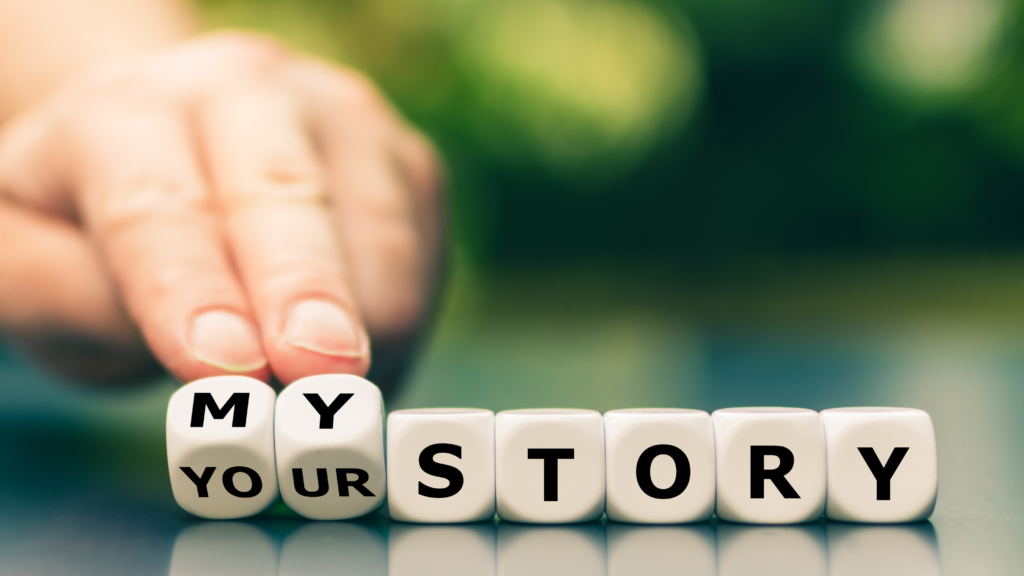
What Is Your Story?

It’s a simple question. But it’s one most people struggle to answer. What is your story? Not your job title.Not your resume.Not the short version you tell at social gatherings. Your real story. The one that shaped you. The one that changed you.   The one that still lives quietly inside your memories. You Have a Story — Even If You Think You Don’t Many people dismiss their lives as “ordinary.” “I just worked.”“I raised my kids.”“I did what I had to do.” But inside those simple statements are powerful experiences: Sacrifices no one saw Decisions that carried risk Moments of doubt Moments of courage Lessons learned the hard way Your story isn’t about fame. It’s about meaning. And meaning lives in everyday life. Your Story Is More Than Events Your story isn’t just what happened. It’s: What you believed What you feared What you overcame What changed your perspective What you wish you understood sooner Two people can live through the same decade — and experience it completely differently. Your interpretation is what makes it yours. That’s the part no one else can tell. The Chapters You May Overlook When you think about your life story, start with chapters like: Childhood memories that shaped your values The first time you felt independent A mistake that taught you humility A relationship that transformed you A season that tested your strength A moment that restored your hope These are not small details. They are the building blocks of identity. Why This Question Matters One day, someone you love may ask: “What was your life really like?” And what they’re really asking is: What shaped our family? Where do we come from? What values run through us? What lessons should we carry forward? If your story isn’t written, parts of it may disappear. Memories fade. Details blur. But written words remain steady. Your Story Connects Generations When you document your story, you give future generations something powerful: Context. They begin to understand: Why certain traditions exist Why resilience runs deep in the family Why certain beliefs matter so much Your story becomes a bridge between past and future. It gives identity roots. And roots create strength. You Don’t Need to Be a Writer If you’re thinking, “But I’m not a writer,” remember this: You don’t need perfect grammar. You don’t need poetic language. You just need honesty. Write the way you speak. Answer simple questions. Start with one memory at a time. Your voice — natural and unpolished — is what makes your story real. What Happens When You Reflect When you begin asking yourself, “What is my story?” something shifts. You start to see patterns: The courage you didn’t recognize at the time.The resilience you developed through hardship.The growth that came from uncomfortable seasons. You begin to see that your life wasn’t random. It was a journey. And journeys deserve to be remembered. So… What Is Your Story? Is it one of perseverance? Reinvention? Faith? Love? Sacrifice? Second chances? Maybe it’s all of those. The important thing isn’t finding the perfect summary. It’s beginning to explore it. Because your story matters. Not because it was perfect. Not because it was easy. But because it was lived. And no one else can tell it the way you can. The question isn’t whether you have a story. The question is: Will you write it down before it’s forgotten?

How to Write Your Life Story (Practical Guidance)

How to Organize Your Life Story Into Meaningful Chapters

One of the biggest challenges in writing your life story isn’t remembering what happened. It’s figuring out how to organize it. Where do you start?What belongs together?How do you turn decades of memories into something clear and meaningful? The good news is this: Your life already has structure. You just need to recognize it. Here’s how to organize your life story into powerful, meaningful chapters that flow naturally and feel intentional. Step 1: Stop Thinking Chronological — Start Thinking Thematic Most people assume a life story must begin at birth and move year by year. That works — but it’s not your only option. Instead of strict timelines, think in themes such as: Family and upbringing Education and early lessons Career and ambition Love and relationships Challenges and resilience Faith or personal growth Parenthood Reinvention Wisdom gained Themes help group related memories together in ways that feel cohesive rather than scattered Step 2: Break Your Life Into Seasons A simple and powerful way to organize your story is by life stages. For example Chapter 1: Roots (Childhood & Family Foundations) Where you grew up, early influences, values you learned Chapter 2: Becoming (Teenage Years & Early Adulthood) Identity, dreams, mistakes, early independence Chapter 3: Building (Career, Marriage, Responsibility) Major decisions, risks, growth Chapter 4: Turning Points Moments that changed your direction — good or difficult Chapter 5: Lessons Learned Reflections on what worked, what didn’t, and what mattered most Chapter 6: Legacy & Wisdom Advice for future generations, core beliefs, what you hope continues. Thinking in “seasons” helps your story feel like a journey — not a list of events. Step 3: Identify Defining Moments Every meaningful chapter contains pivotal moments. Ask yourself: What decision changed my path? What challenge reshaped me? What success felt most rewarding? When did I feel lost — and how did I recover? Build chapters around these defining experiences. Readers connect with transformation more than timelines. Step 4: Use Emotional Arcs Strong chapters often follow an emotional arc: Situation Conflict or uncertainty Decision or action Outcome Lesson learned For example: Instead of simply writing:“I moved to a new city for work.” Expand it: Why you were nervous What was at stake What you feared What happened What you learned This structure naturally makes chapters engaging and reflective. Step 5: Keep Chapters Focused Each chapter should center on one main theme or period. Avoid cramming too much into one section. If a chapter feels overloaded, it probably contains two chapters. For example: “Career Growth” might become First Job & Learning the Basics Leadership & Responsibility Reinvention or Career Shift Clear focus makes your story easier to follow — and more impactful. Step 6: End Chapters With Reflection Facts inform. Reflection connects. At the end of each chapter, consider adding: What this season taught you How it changed you What advice you’d give someone facing something similar What you would do differently These reflections are what transform a personal history into a meaningful legacy. Step 7: Don’t Aim for Perfection — Aim for Clarity Your chapters don’t need to be perfectly balanced or identical in length. Some seasons of life were bigger. Some were quieter. Let that be reflected in your writing. The goal isn’t symmetry. The goal is authenticity. A Simple Chapter Framework You Can Use Today If you’re unsure where to begin, try this 8-chapter structure: Where It All Began Early Influences Finding My Way Building a Life Challenges That Shaped Me Moments I’m Most Proud Of What I Learned the Hard Way The Legacy I Hope to Leave Start drafting under these headings. You can refine later. Why Organization Matters When your life story is well organized: It’s easier to write It’s easier to read It feels intentional It highlights growth and transformation More importantly, it helps future generations understand not just what happened — but why it mattered. Your Life Already Has Chapters You’ve lived through beginnings. You’ve experienced transitions. You’ve survived turning points. You’ve gathered wisdom. Those are chapters. All you’re doing now is giving them structure. And once you do, something powerful happens: Your life stops feeling like scattered memories. It becomes a story. And every meaningful story deserves chapters.

Scroll to Top